Seborrheic Keratoses Bryn Mawr Bryn Mawr Skin & Cancer Institute

What Are The Medical Features Of Seborrhoeic Keratoses?
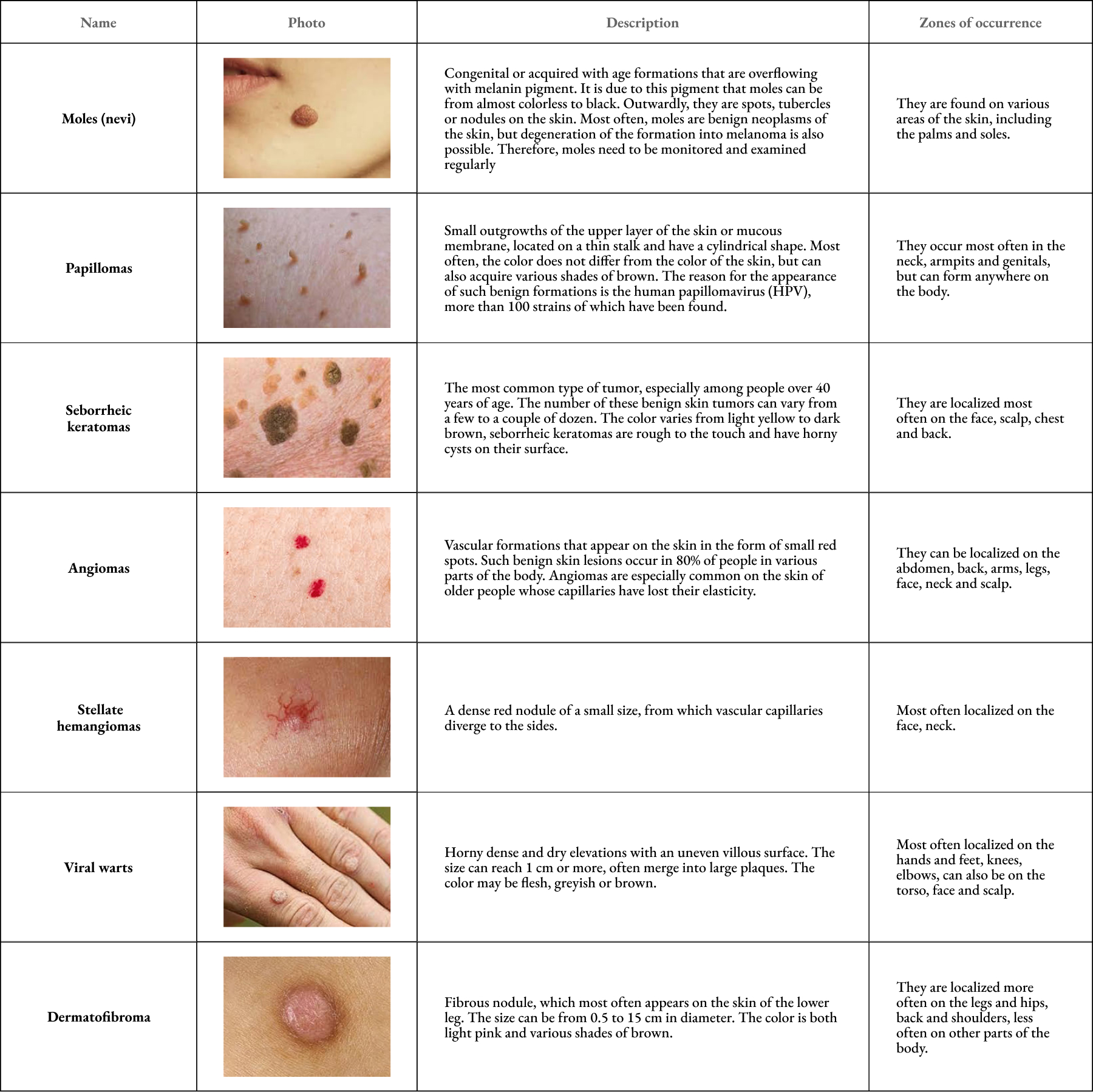
The look of seborrheic keratoses can differ commonly. The most common appearance is rough, with a bumpy, rough surface area that crumbles conveniently. They normally appear like they've been stuck onto the skin.Exactly how to prevent seborrheic keratosis from forming?
There is no well-known means to prevent seborrheic keratoses, as they tend to increase with age and might be hereditary. Regular skin checks can help keep an eye on any kind of new growths.
Electrosurgery And Curettage
To find out more, contact our workplace today to schedule your consultation. Seborrheic Keratoses start as barely elevated, somewhat bumpy, tiny plaques on the skin surface area that may be either tinted or otherwise tinted. Gradually, these become increased, warty plaques that look like if "stuck on" to the skin surface area, and are darkly pigmented and even black in darker individuals. These later developments might be anywhere from 1 to 6 cm, and seldom might be itchy or tender. Sunlight exposure has actually likewise been suggested as playing a role in their growth. It is believed that ultraviolet (UV) radiation from the sun might harm the skin cells and set off uncommon growth patterns, bring about the development of these benign tumors. If you are unclear what kind of skin growth you have, see your medical professional. Although they may be large and grow quickly, they are benign. They are not triggered by sun damage so can be located on locations that are likewise normally covered by clothing. Initially, they look like a little raised, brown spots and advance right into darker, thicker lesions with harsh, warty surface areas. Seborrheic keratosis might seem intense, but these skin growths are harmless. They're likewise extremely common, influencing most individuals at least as soon as in their lifetime.- Seborrheic keratoses are non-cancerous, wart-like growths usual in older grownups and seniors (thus the label the "barnacles of aging").
- By checking any type of modifications in the skin's problem or finding brand-new lesions early, proper procedures can be taken if needed.
- Unlike actinic keratoses, seborrheic keratoses are not completely brought on by sunlight direct exposure.
- Almost all individuals get sebhorreic keratoses, but they are rarely seen prior to age 30.